By Kwak.kamoly · Personal assessment of the visit added 25 September 2026. Destination and café research retains its earlier September check dates; café descriptions are not a claim of personal tasting.
My honest take: Bosu-dong Book Street is a small, atmospheric detour, rather than somewhere I’d cross Busan to spend half a day. If you’re already around Nampo or Yongdusan Park and Busan Tower, wander over, browse the shelves and enjoy a different side of the neighbourhood. You don’t need to read Korean to appreciate the setting.
I’d allow roughly 15–30 minutes for a casual pass-through, with longer only if you find a bookshop or café you want to stay in. That’s my planning suggestion, not a measured walking time. The history-and-coffee route below is an optional extension, not the minimum commitment.
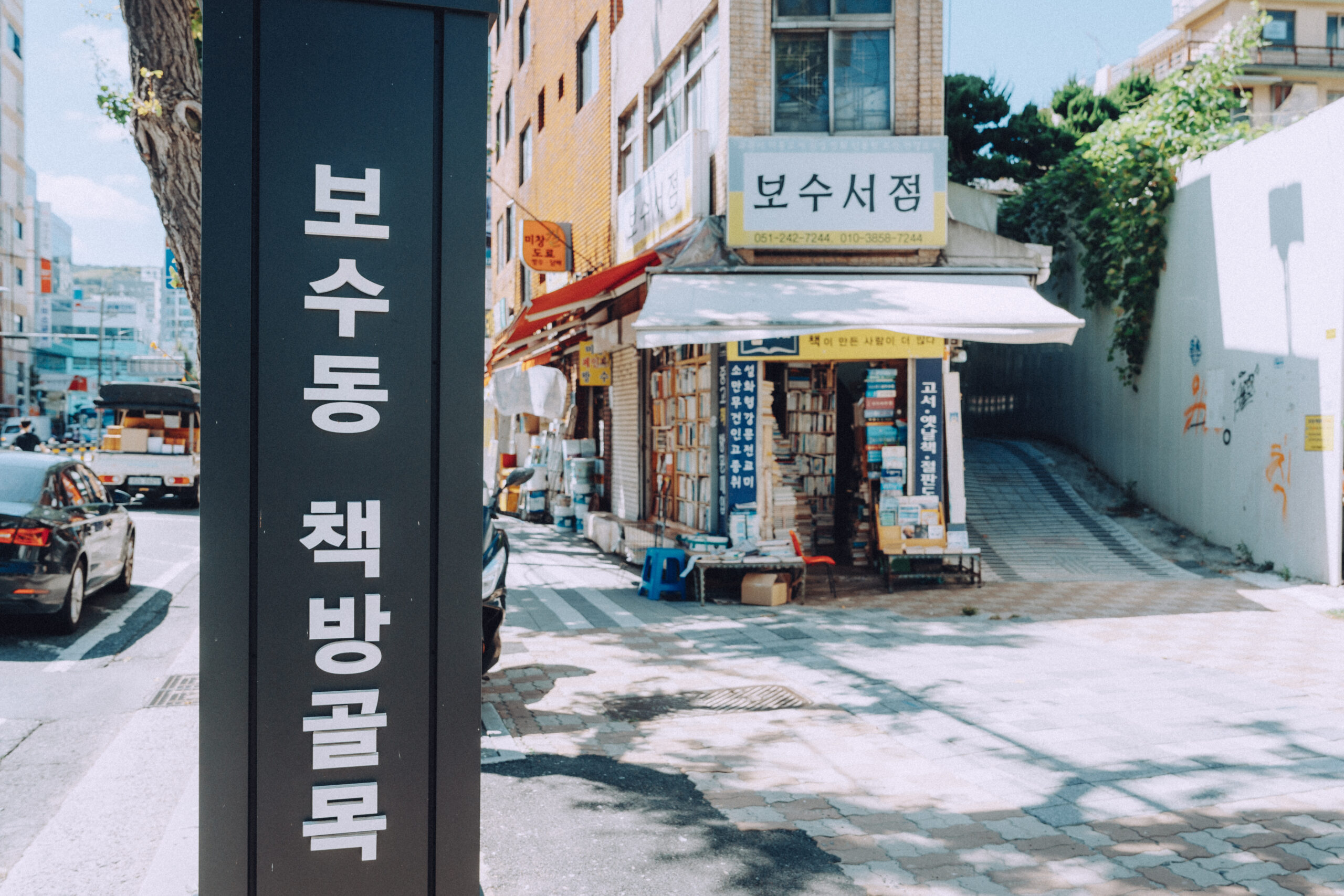
Bosu-dong Book Street: nearest station and time to allow
Map: Bosu-dong Book Street / 보수동책방골목.
Arrival: Jagalchi Station, Line 1, Exit 3; Visit Busan estimates around 11 minutes on foot.
Entry: the official listing says free; books cost extra.
Suggested pairing: a separate Gukje Market or Bupyeong Market stop, depending on your remaining time.

Why this little street matters
Visit Busan connects the book alley’s growth with refugees and the demand for books when Busan served as the wartime temporary capital. That history gives the street a meaning beyond its photogenic shelves. New and second-hand books appear in its shops, while narrow passages and stairways form part of the setting. Official Bosu-dong guide.
Choose a book-and-coffee stop or a history half-day
For a short detour: browse the book alley, then stop at Athena Hakdang / 아테네학당, 63 Daecheong-ro, floors 2–4. Visit Busan describes its book-shaped exterior and names Mildawon coffee and cream coffee as signature drinks. This gives your visit a specific café destination rather than a vague instruction to “find somewhere nearby.”
The tourism listing gives weekday opening from 11:00 and weekend opening from 10:00, closing at 21:00 with last orders at 20:30. Treat these as published regular hours, not a holiday guarantee. This is a researched option; we have not tasted the drinks or checked access between its floors. Official Athena Hakdang listing, checked 24 September 2026.
For more historical context: combine the alley with the Busan Modern and Contemporary History Museum / 부산근현대역사관. Its official visitor guide lists free admission and a normal Monday closure, with a public-holiday exception. Check the date and select the correct main building or annex before setting off. The museum and book alley are separate stops with outdoor walking between them. Official museum visitor information.
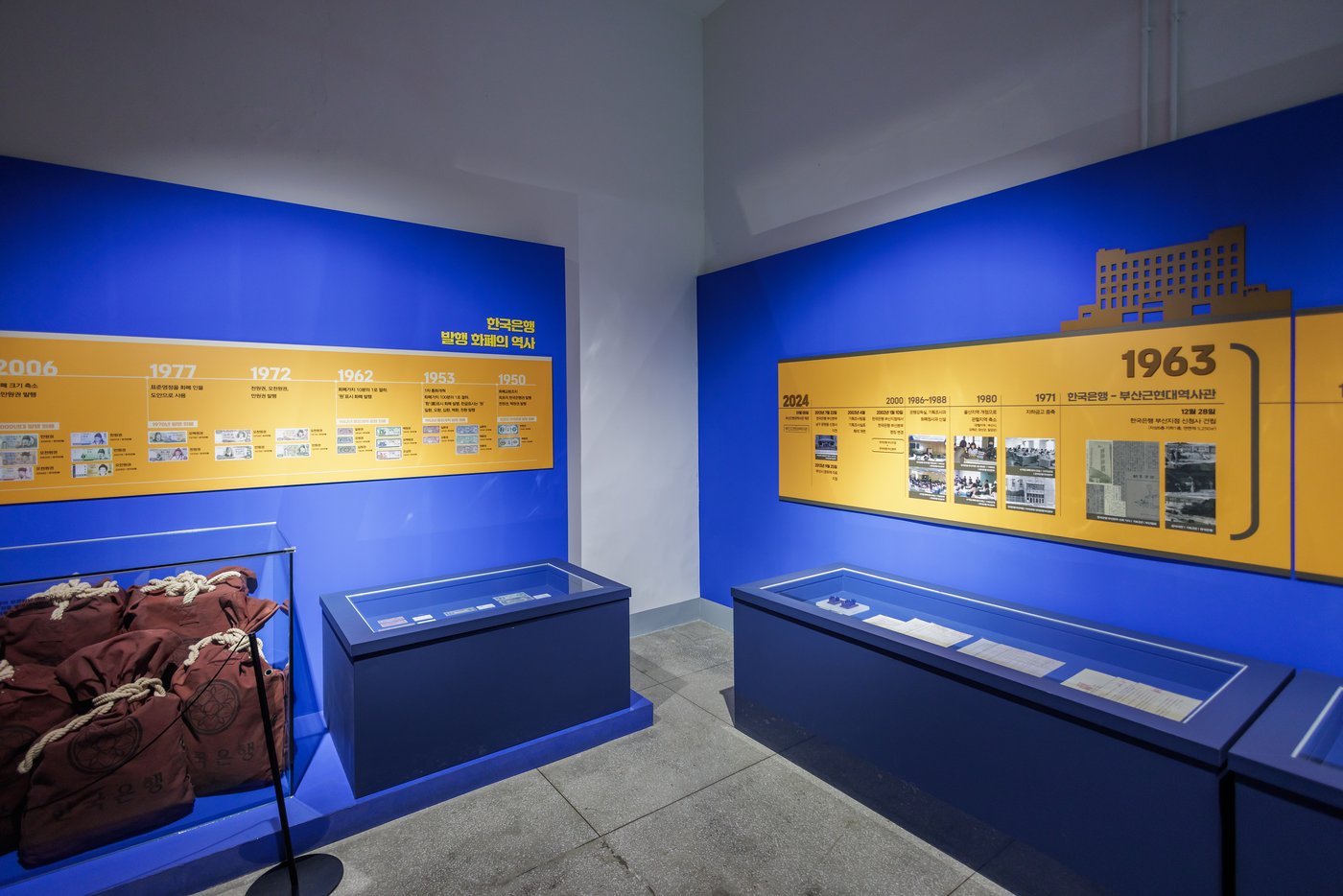
Photo: Summertree / Busan Metropolitan City and Busan Tourism Organization · Busan Tourism Archive · KOGL Type 1 (공공누리 제1유형).
| Available time | Our suggested plan | What to leave out |
|---|---|---|
| 45–60 minutes | Walk the alley and browse one or two open shops. | A full café stop or a museum visit. |
| About 90 minutes | Book browsing followed by a drink at Athena Hakdang, if open. | Trying to collect every market and photo spot. |
| A flexible half-day | Museum first, then the alley and one meal around Nampo. | A fixed departure immediately afterwards; keep a separate station-transfer buffer. |
The allowances are editorial estimates. If the shops you want are closed, use the café or museum only after checking its own hours. For sustained rain, the rainy-day guide helps choose an indoor anchor.
Useful questions in a bookshop
영어 책 있나요? — Do you have books in English?
이 책 얼마예요? — How much is this book?
책 안쪽을 봐도 될까요? — May I look inside the book?
Show a title or cover image if looking for a particular book. Stock changes and an English-language selection is not assured. Check the condition and price with the seller before buying.
Opening hours: check before making a special trip
The official listing notes shop-specific hours and regular first- and third-Tuesday closures, with holiday exceptions. Confirm your chosen shop before travelling specifically for it. A daytime visit gives you more flexibility than arriving close to the evening shutdown. We have not confirmed a 2026 cultural-festival date, so this article does not promise a scheduled event.
Photograph it respectfully
The staircase and book displays are working spaces, not a private photo set. Take a quick picture when the way is clear, ask permission for shop interiors and do not move stock to improve a composition. Avoid placing a tripod across a passage. If the alley is busy, a detail shot may be easier and more considerate than a long staged pose.
Combine Bosu-dong Book Street with Nampo markets
After your book stop, choose one nearby market area for food or browsing. Map the next destination before setting off, rather than adding several names to an unrealistic checklist. If you would prefer a sit-down meal, our Nampo and Busan Station gukbap guide can help you build a separate meal stop.
For travellers arriving or leaving by train, keep the return journey to Busan Station separate from your sightseeing allowance. Do not use a relaxed bookshop visit as the final stop before a tightly timed departure.
Who should put it on their itinerary?
Book lovers, slow travellers and visitors interested in everyday city history are the best fit. If your main goal is a large attraction with a set programme, treat it as a short detour instead. Wear comfortable shoes; stairways and narrow shop spaces may not suit every visitor, so choose a route that works for your mobility needs.